

Xiaomi 18 Pro series launches with 2nm chips and an AI-powered rear display
The Xiaomi 18 Pro series has arrived. There is no standard model alongside it yet: the 6.4-inch Xiaomi 18 Pro and 6.9-inch Xiaomi 18 Pro Max take the stage first. Both retain the rear display and feature dual 200MP Leica cameras, a new 2nm Snapdragon platform and HyperOS 4. The real differences lie in battery capacity, cooling and the LOFIC main camera reserved for the Pro Max.
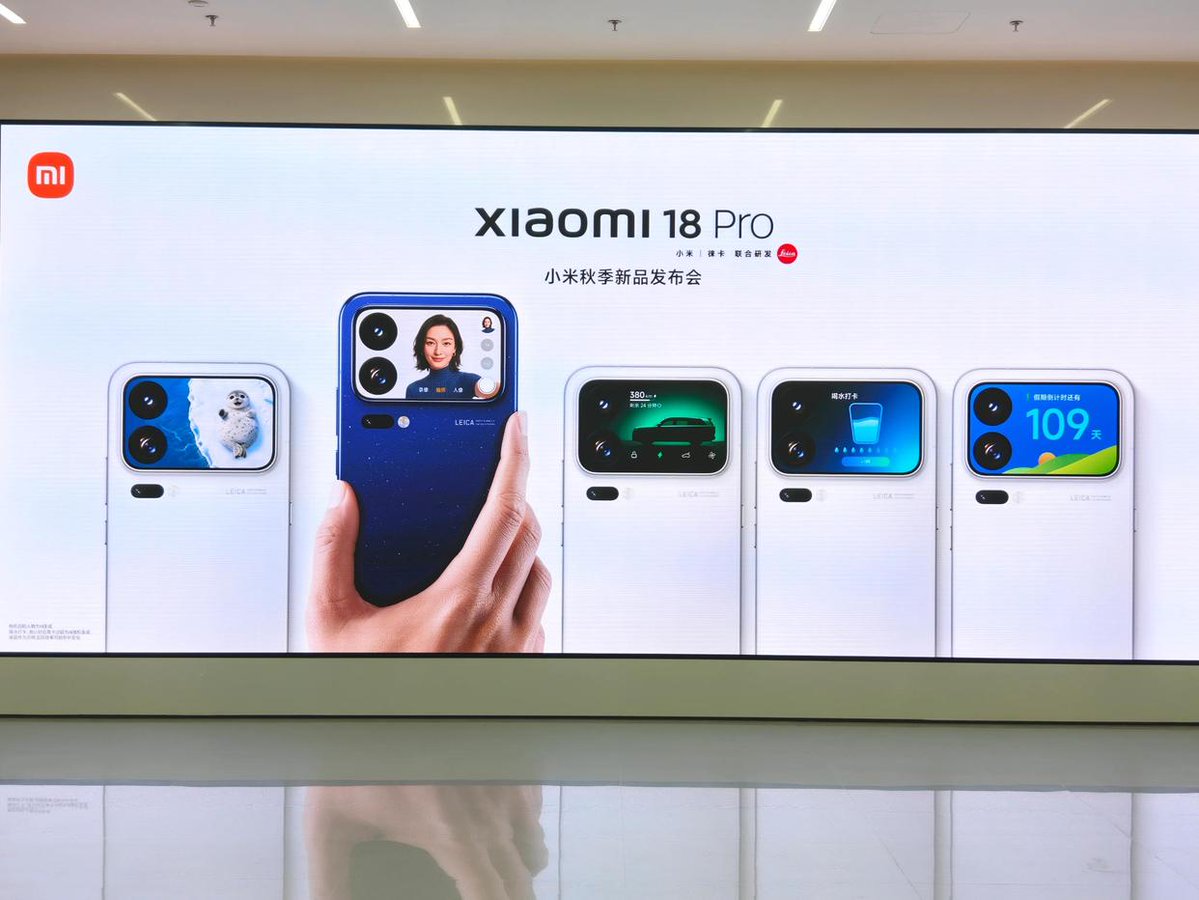
Prices start at CNY 5,999, and sales began right after the launch. Neither phone is cheap. Xiaomi's pitch is clear, though: the smaller Pro no longer has a cut-down camera system, while the Max pushes screen size, battery life and imaging further.
A familiar rear design, now more cohesive
The rear display has been the most recognizable feature of Xiaomi's numbered series since the 17 Pro. On the 18 Pro series, it is no one-off gimmick. Xiaomi calls it a customizable rear display, with the cameras and screen set into a flatter, more integrated surface. Alongside the gently curved frame, it looks less like a stack of parts mounted on the back than the previous generation did.
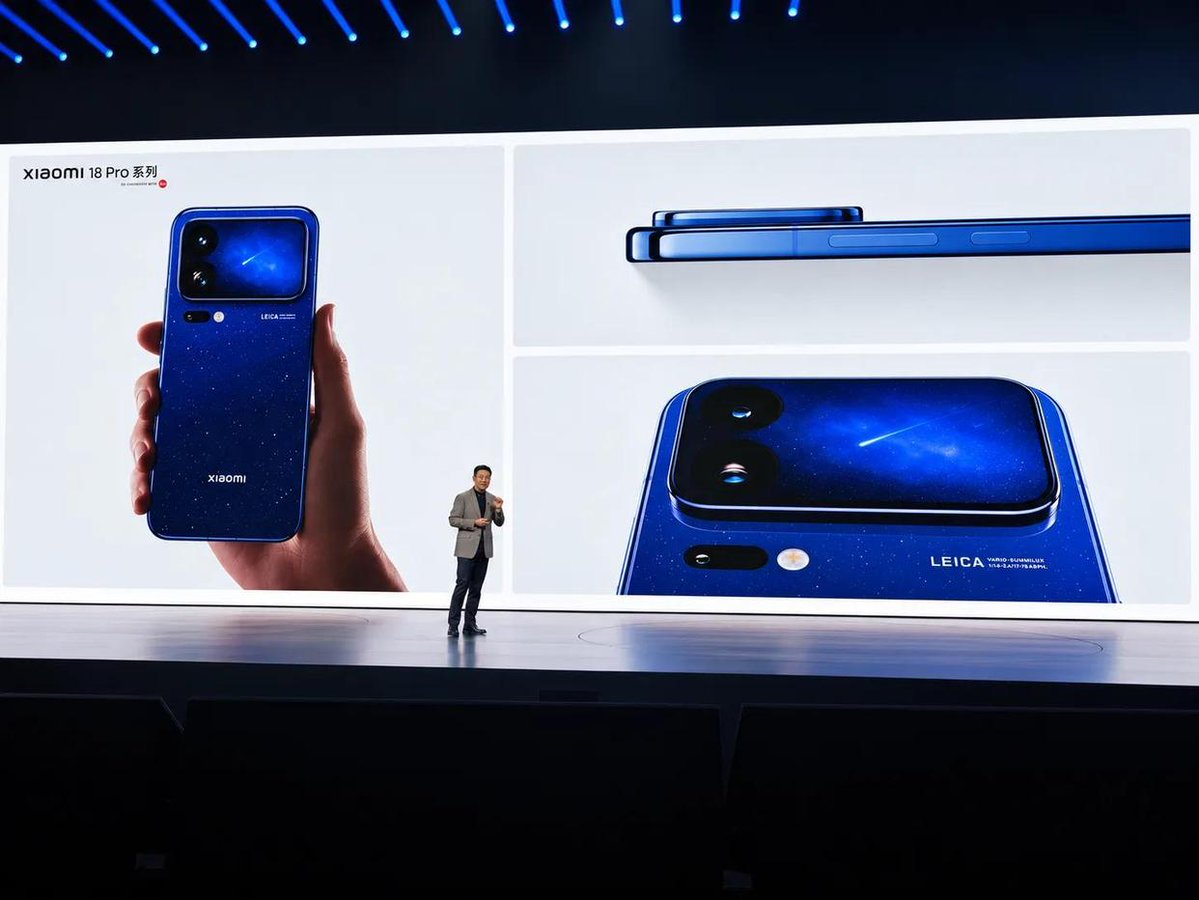
The regular models come in Galaxy Blue, Ice Peach Pink, black and white. Galaxy Blue shows the design particularly well: the pearlescent back and deep-blue rear display are understated from a distance, but more interesting up close.
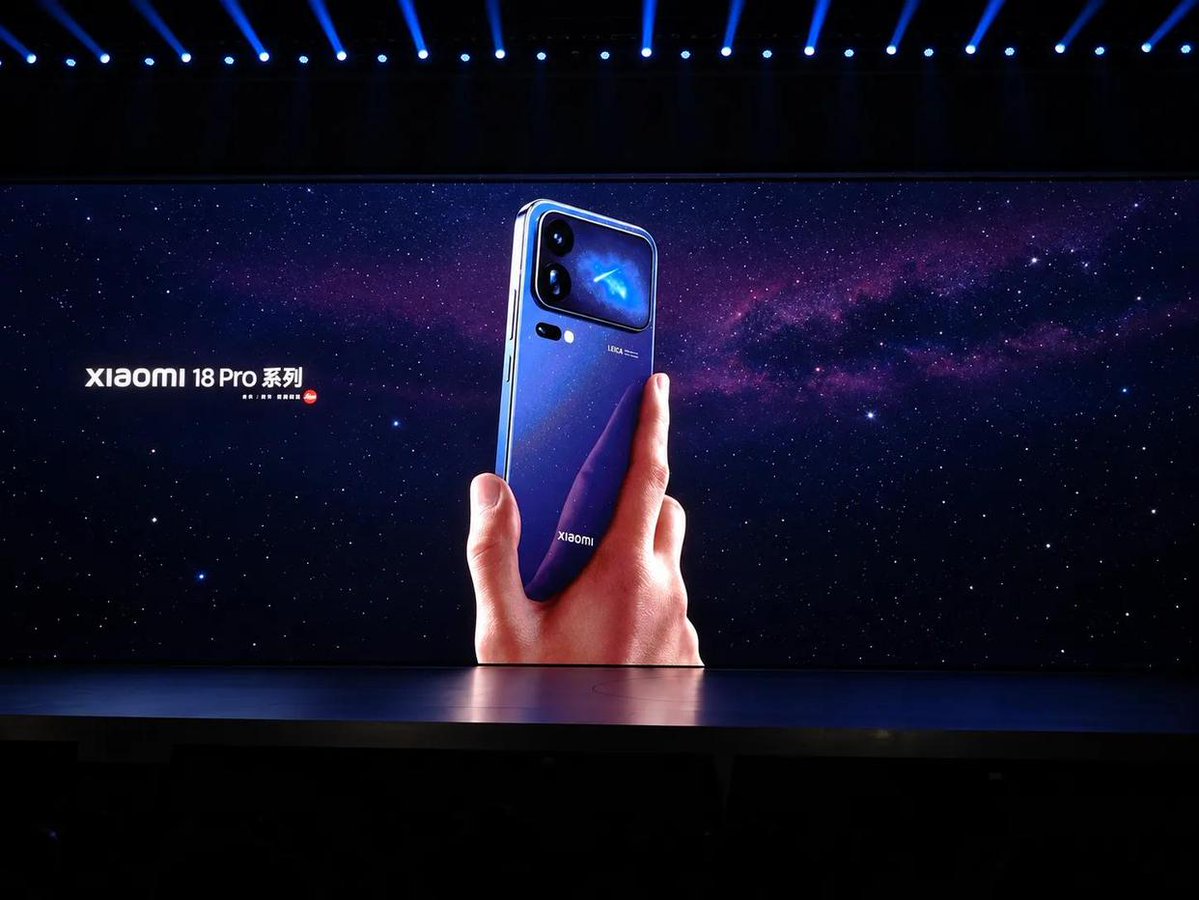
The front has changed in a practical way too. Bezels have narrowed to 0.99mm on all four sides, allowing a 6.4-inch screen on the 18 Pro and a 6.9-inch screen on the Pro Max without a substantial increase in body size. Both use Super Pixel 2.0 displays, the M11 light-emitting system and a new green emitter material. Xiaomi quotes multi-scenario peak brightness of up to 4,000 nits and BT.2020 wide-color-gamut coverage.
Hardware-level screen privacy deserves a closer look
Phone screens get brighter every year. More interesting here is Xiaomi's hardware-level intelligent privacy display. Viewed head-on, it looks much like a normal screen; from an angle, text and images quickly become harder to make out.
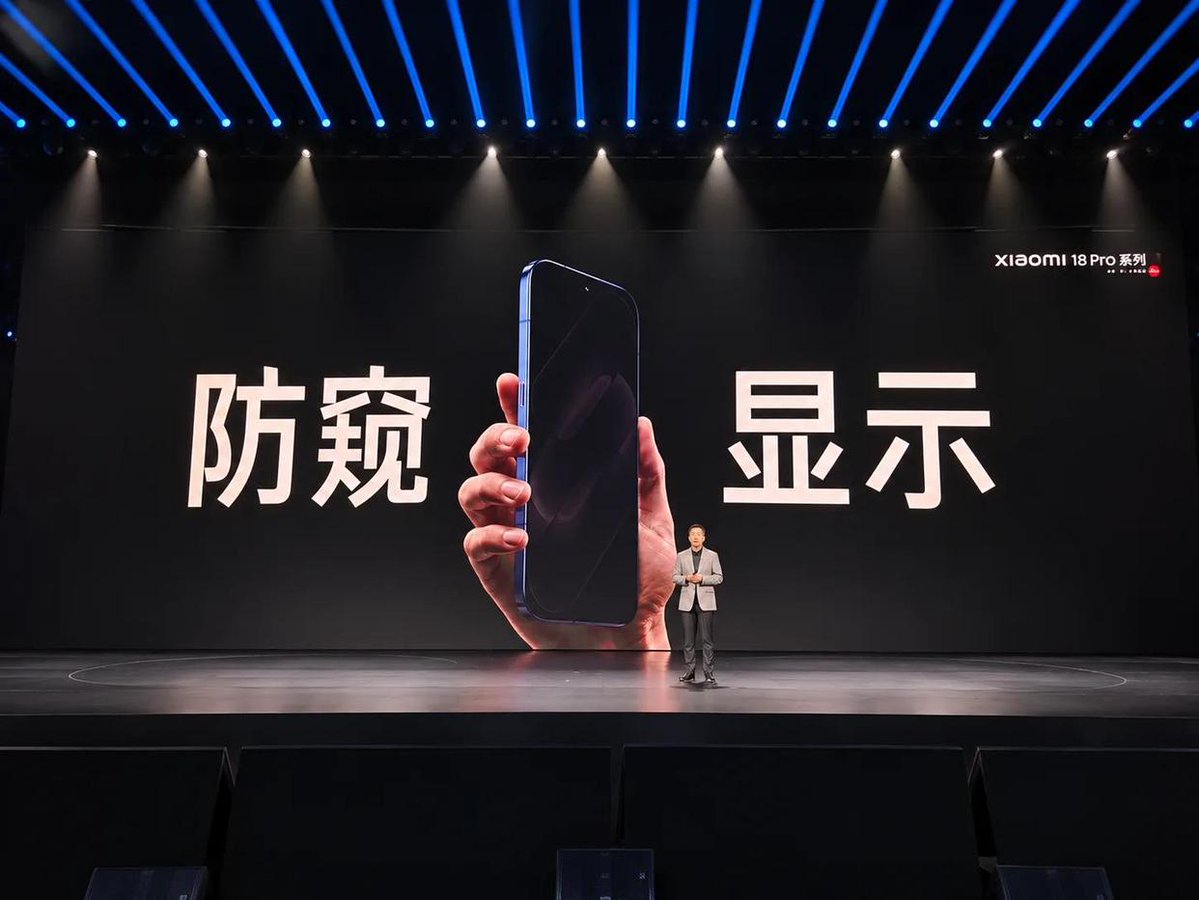
It isn't limited to a simple on/off switch. You can add apps such as chats and the photo gallery to a privacy list, with notifications, floating windows and the multitasking view obscured as well. A customizable AI button can turn on privacy protection across the entire screen in one press.
That could be useful on the subway, in elevators or in meeting rooms. But the long-term effects on off-axis brightness, color and power use need hands-on testing. A launch-stage demonstration is not enough to settle those questions.
The smaller Pro no longer gives up the telephoto camera
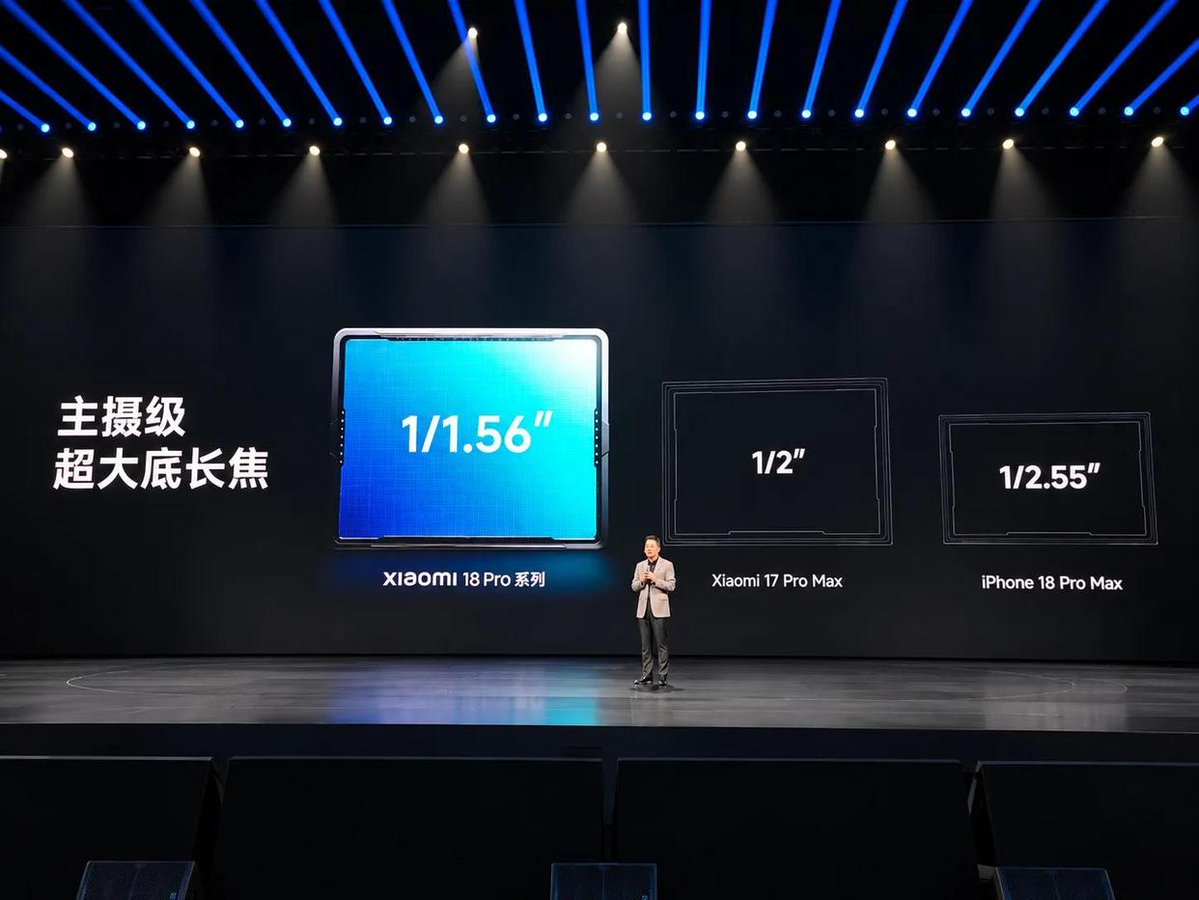
Choosing a compact flagship has often meant accepting a smaller battery and a weaker telephoto lens. The 18 Pro's strongest case is that it shares the headline camera hardware with the Pro Max: a 200MP main camera with a 1/1.28-inch sensor and a 200MP periscope telephoto with a 1/1.56-inch sensor.
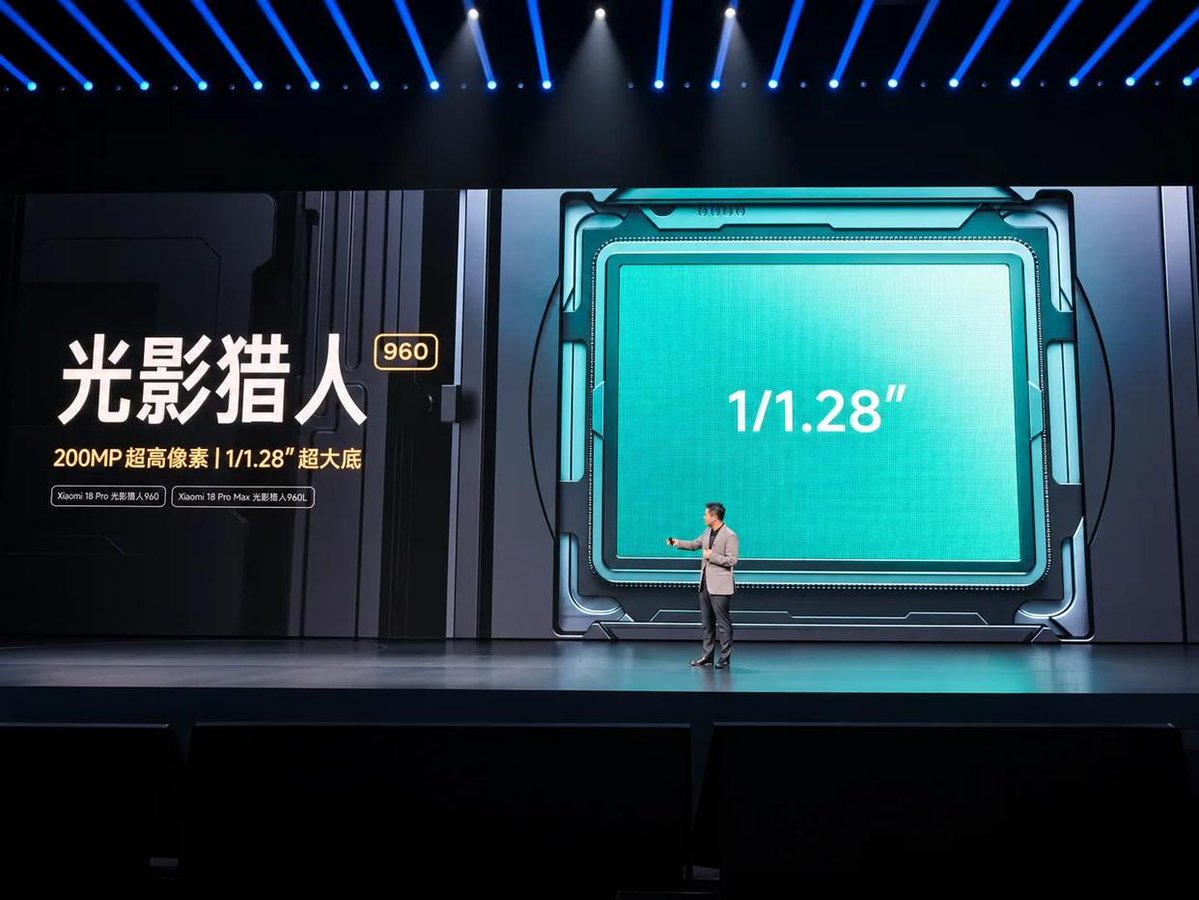
The telephoto has a native 75mm focal length, 3.2x optical zoom and up to 12.8x lossless zoom. Its dual-lens-group floating focus also gets as close as 12cm for telephoto macro shots. The point is not merely a bigger megapixel number: portrait, stage and medium-to-long-distance photography no longer require stepping up to the Pro Max first.
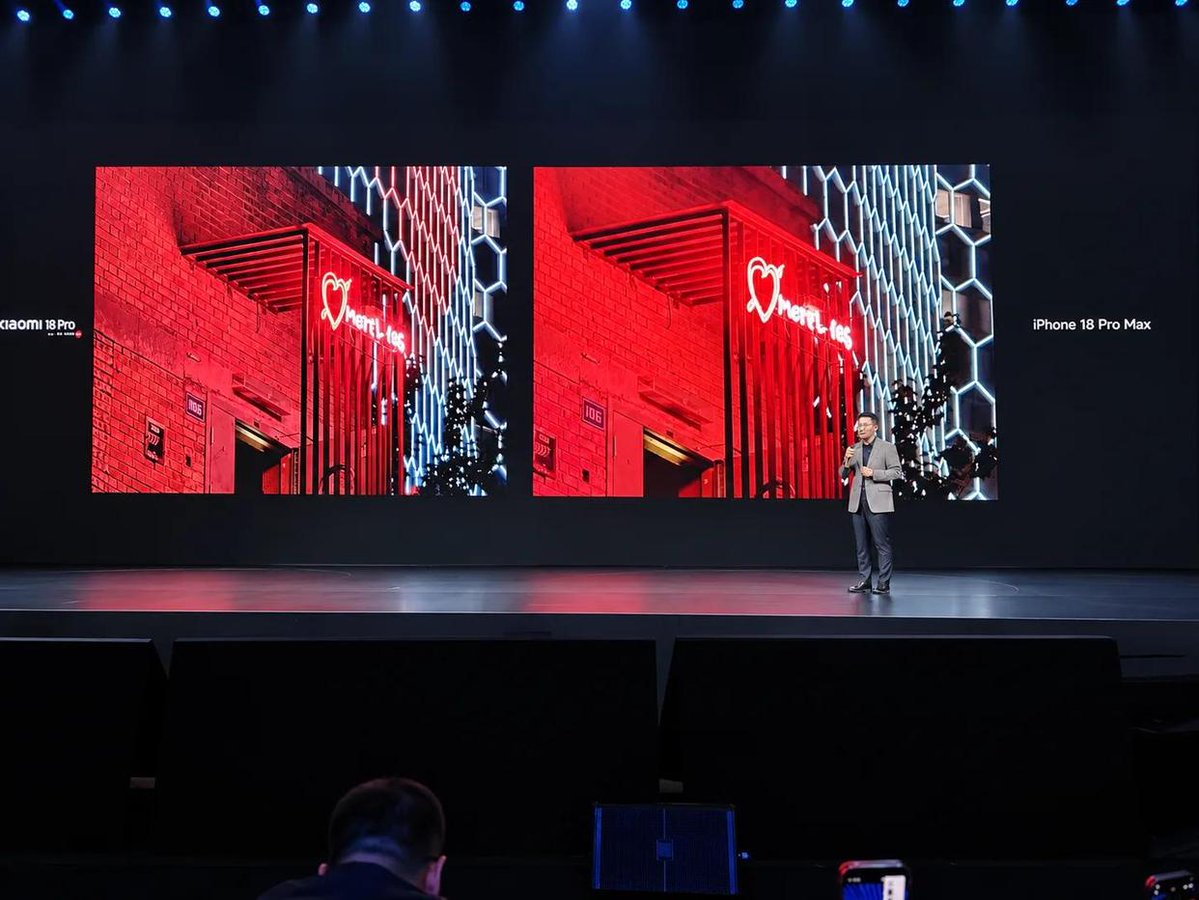
There is one clear distinction. Only the 18 Pro Max gets LOFIC technology on its main camera. Xiaomi claims a 16.2EV dynamic range in a single exposure, intended to retain detail in bright signs at night and backlit skies. For concert, night and indoor window shots, that may matter more than another set of filters.
AI enters the shooting process, not just the edit
Xiaomi is bringing its “Legendary Moment” large-model imaging system to the whole Pro series, combining on-device capture with cloud processing. AI shooting assistance identifies your location and suggests popular vantage points before you take a photo. In the viewfinder, it analyzes composition, matches filters and can suggest poses for the subject.
That is closer to everyday photography than simply generating an image afterward. It addresses familiar problems: not knowing where to stand at a landmark, misplacing the visual focus or feeling awkward in front of the camera. How accurate the suggestions are, how long cloud processing takes and whether the results look overly processed will depend on the shipping software.
The rear display becomes a programmable little screen
The rear display works as a viewfinder for selfies with the main camera, shows animated notifications and hosts quick tools and small games. Xiaomi has also added AI-generated apps. Users can make an egg timer, a water-intake tracker, a Pomodoro timer, vocabulary flashcards or even a random “what's for lunch?” picker.
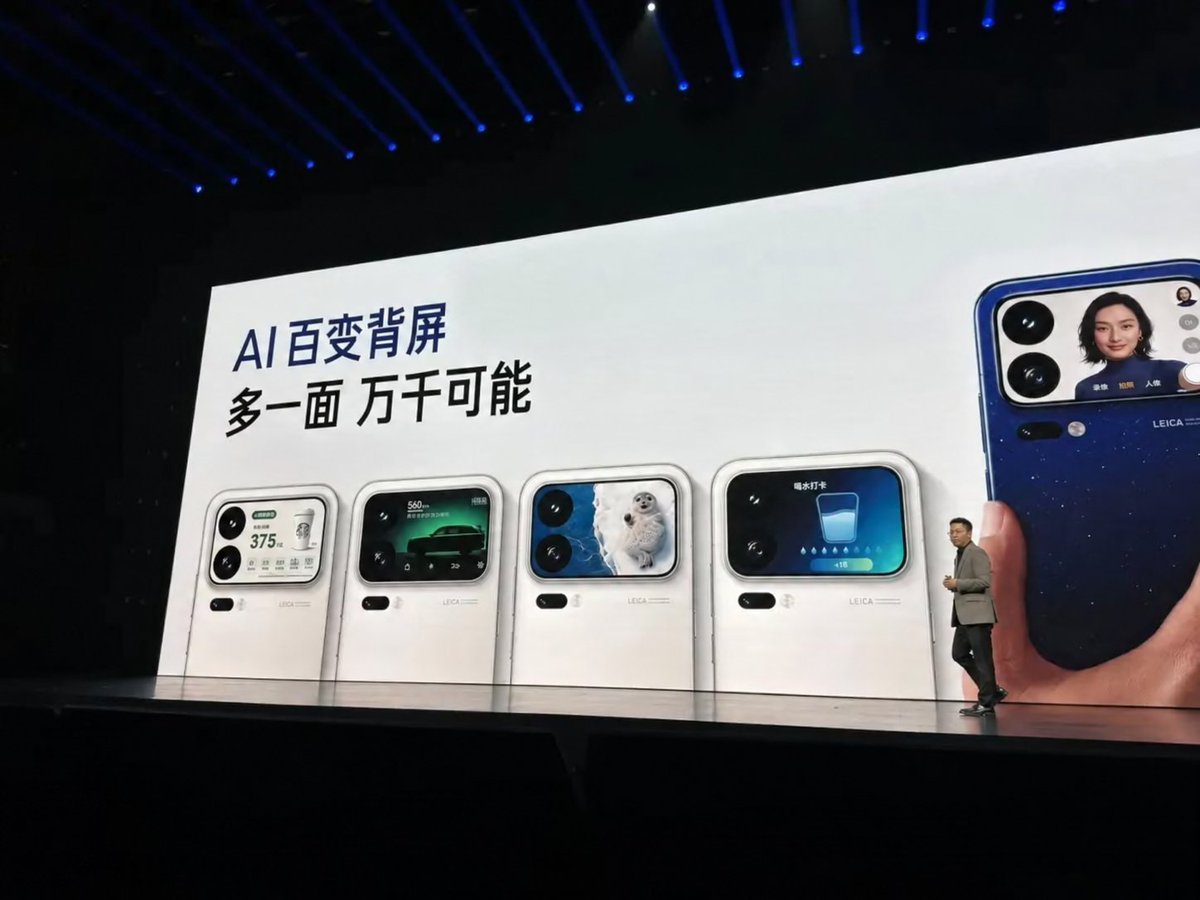
The first batch includes more than 100 rear-display app cards, and the phone can generate personalized wallpaper from photos. Xiaomi says usage data from the previous generation showed over 4 million daily uses of rear-display app cards and more than 3.5 million new wallpapers per day. At least the second screen is more than a launch-event decoration. Its continued usefulness will depend on third-party cards, power management and how much freedom the AI creation tools allow.
2nm Snapdragon debut, with sustained performance in mind for the Max
The Xiaomi 18 Pro debuts the sixth-generation Snapdragon 8 Elite, while the Pro Max uses the sixth-generation Snapdragon 8 Ultra Elite. Both are built on a 2nm GAA process, with CPU clock speeds reaching up to 5GHz.
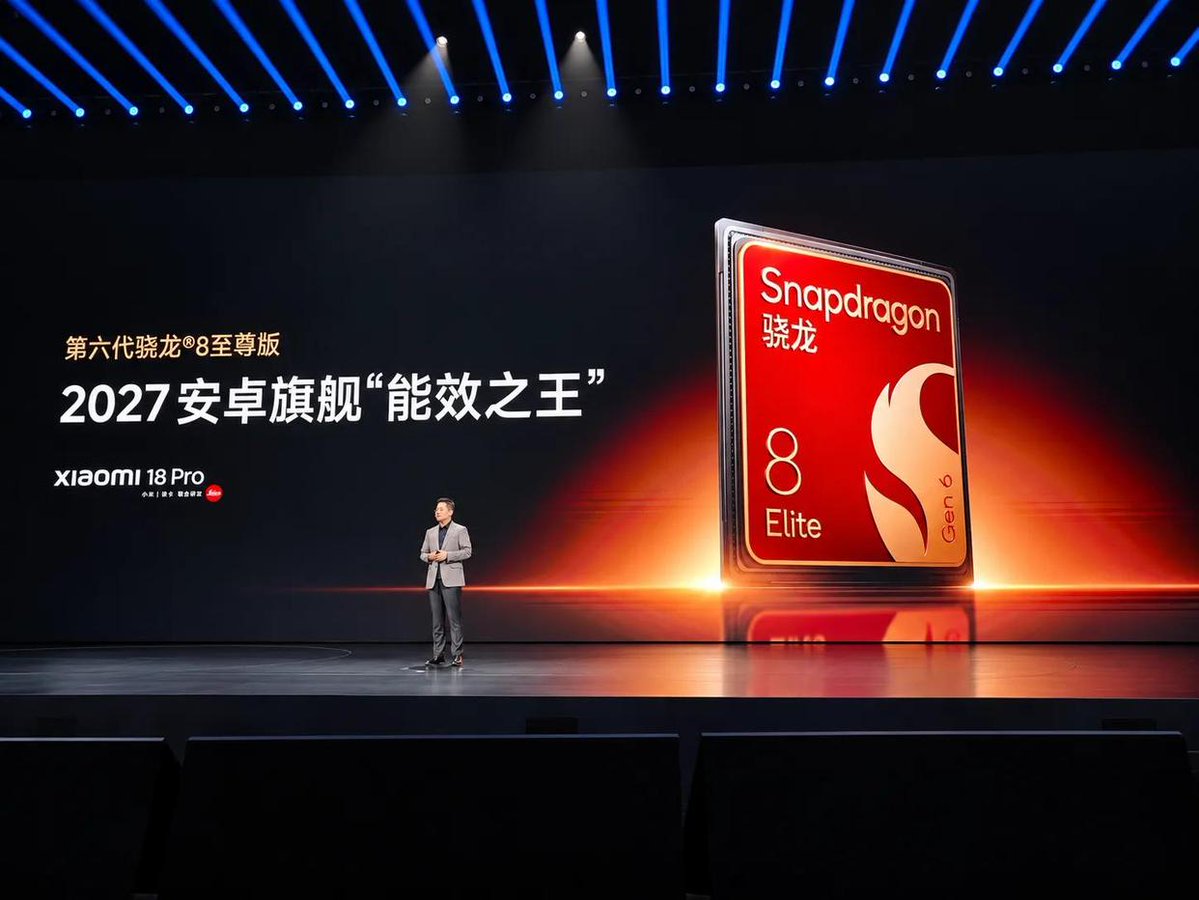
According to launch-event figures, the new GPU delivers 35% higher performance with 40% lower power consumption. NPU inference performance rises 80%, and overall compute capacity rises 15%. These are laboratory figures from Xiaomi and the chip platform provider. Gaming frame rates, body temperatures and battery life need comparable real-world tests before those numbers mean much in practice.
The Pro Max also adds OFFSET PoP high-conductivity packaging and a new-generation ring-shaped cooling pump. In simple terms, the chip core and memory are offset to free up more area for heat dissipation. That may make little difference to a brief benchmark, but prolonged gaming, video recording and on-device AI inference put more pressure on sustained cooling.
7,000mAh in the smaller Pro; 8,500mAh for the Max
The 18 Pro has a 7,000mAh Jinshajiang battery; the Pro Max increases that to 8,500mAh. Both support 100W wired and 50W wireless charging, and the batteries have a silicon content of 32%.
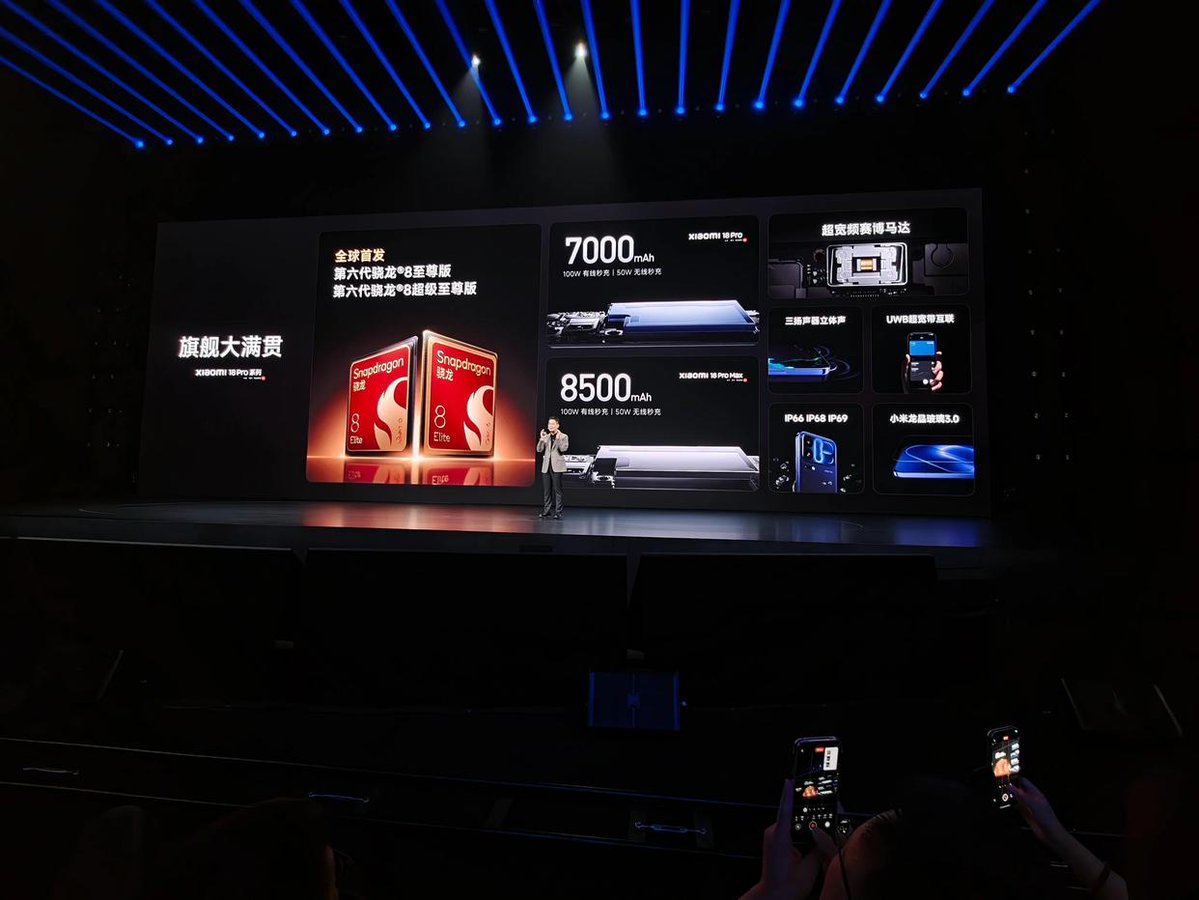
A 7,000mAh battery in a 6.4-inch phone is one of the more compelling specifications here. The 8,500mAh Pro Max looks better suited to heavy gaming, navigation and extended shooting. Capacity is not the whole story, however: 5GHz workloads, display brightness, an always-on rear screen and system scheduling will all affect actual endurance.
The series also includes UWB connectivity, three-speaker stereo sound and IP66/IP68/IP69 dust and water resistance. The Pro Max adds a 0916C X-axis linear motor; Xiaomi claims its transient vibration amplitude is 112% higher.
HyperOS 4 aims to put AI to work across devices
The 18 Pro series launches with HyperOS 4 and Super XiaoAI 2.0, powered by Xiaomi's MiMo large model. Xiaomi summarized its capabilities at the launch as one-tap memory, autonomous reasoning and complex task execution, including handling information across phones, tablets and PCs.
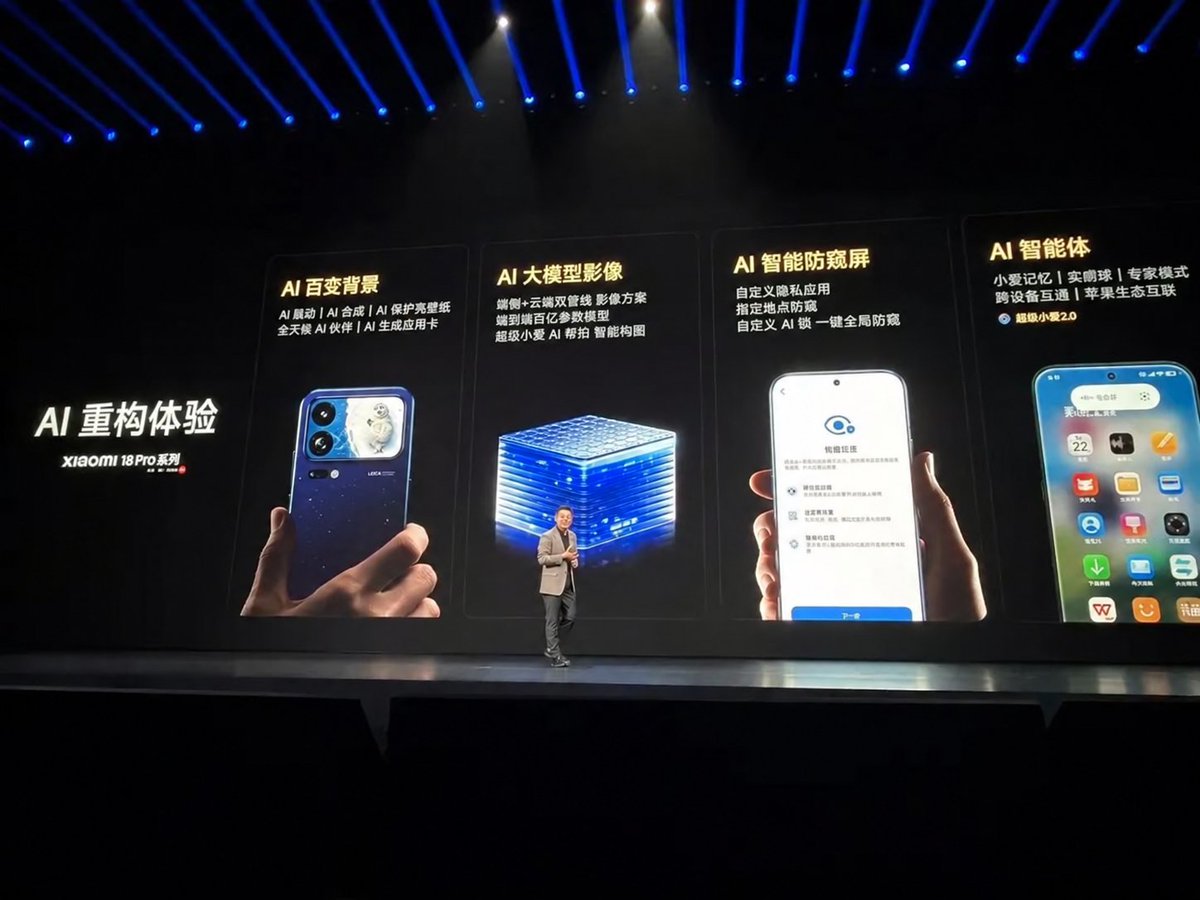
This generation's AI features are spread across four frequent-use areas: the customizable rear display, large-model imaging, intelligent screen privacy and a system-level agent. Xiaomi wants AI involved in taking photos, displaying information, protecting privacy and working across devices—not confined to a chat window.
Connections with Apple's ecosystem are also expanding: cross-device unlocking, message exchange and cloud photo synchronization; sharing photos and videos between iPhones by tapping devices together; and receiving calls and notifications and syncing some activity and health data with Apple Watch. The extent of support, and whether a Xiaomi-side app is required, should be checked against the final software release.
A striking return for the transparent special edition
Six years later, Xiaomi is releasing another transparent special edition. It has a saturated red body with a micrometer-scale film beneath transparent glass that creates a raised, three-dimensional effect. Both screens have transparent-themed wallpaper, while the charger, cable and gift box follow the same red design.
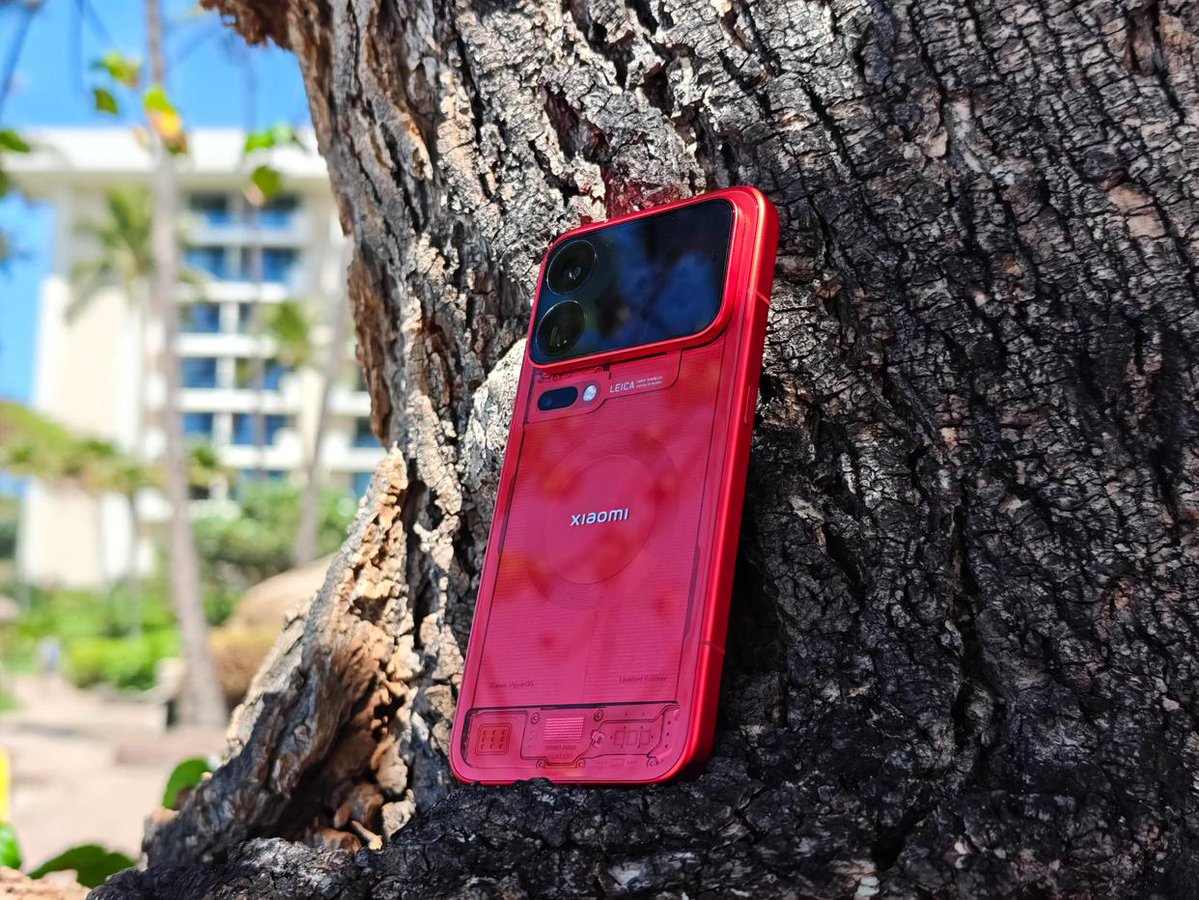
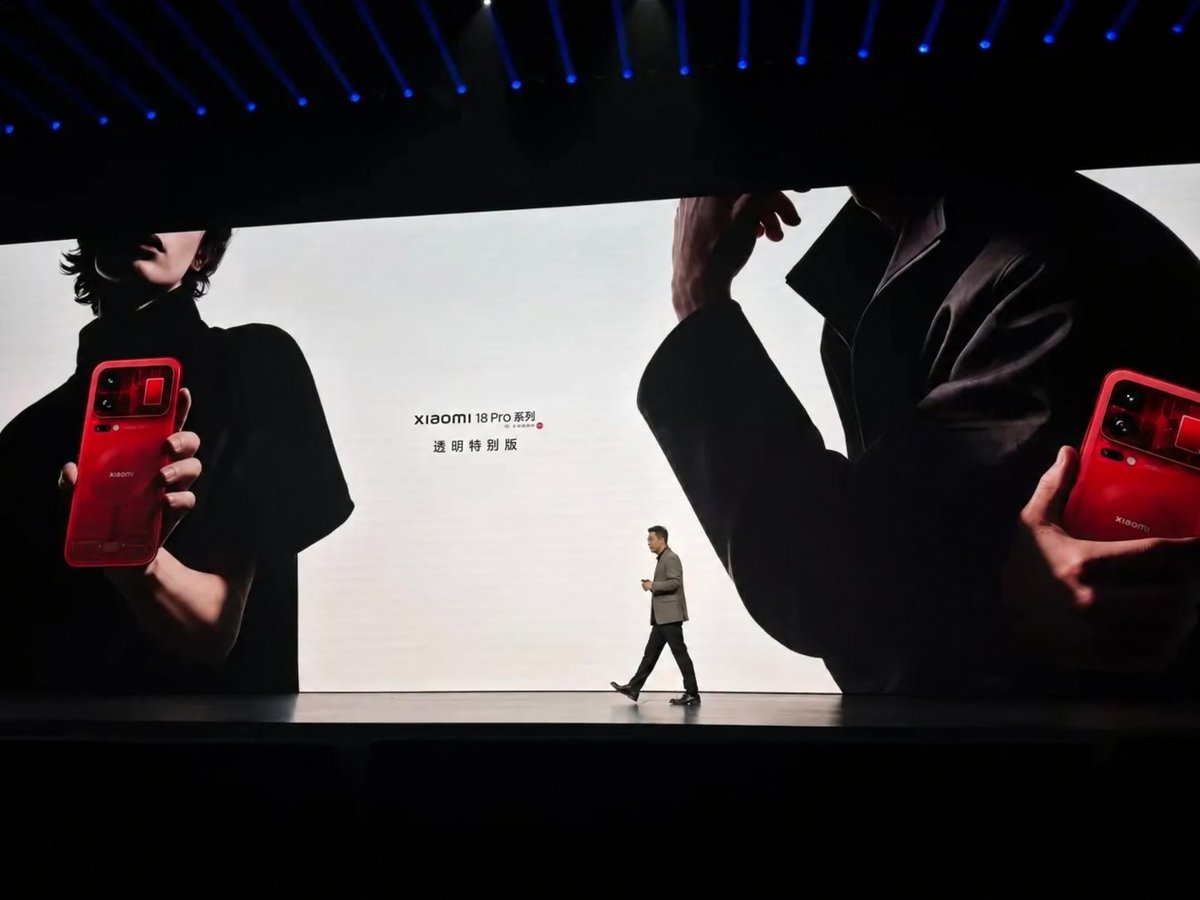
The transparent edition comes only in a 16GB + 1TB configuration: CNY 9,999 for the 18 Pro and CNY 10,999 for the 18 Pro Max. Wallstreetcn's report noted that Xiaomi's store briefly marked it “sold out” after launch. Stock can change at any time; check the purchase page for current availability.
Prices and configurations
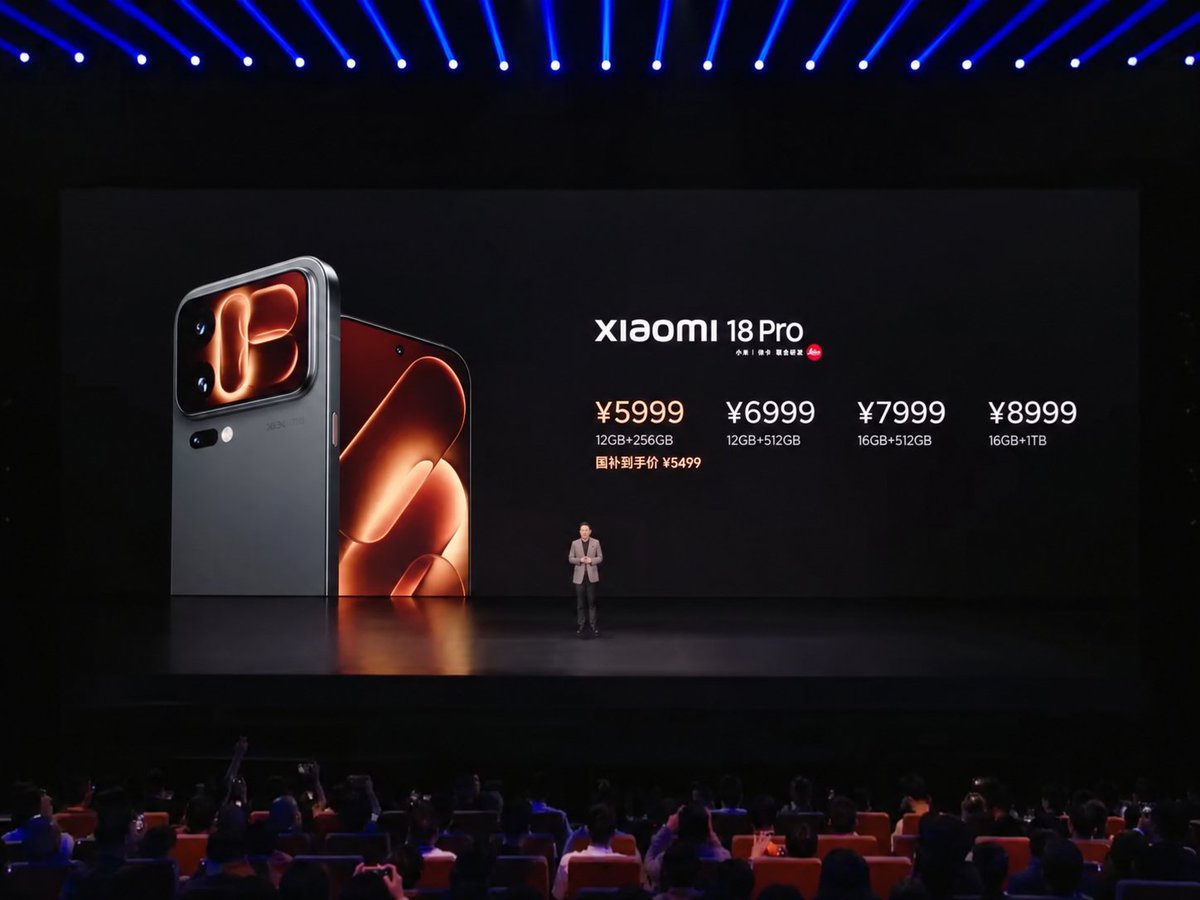
Xiaomi 18 Pro
| RAM and storage | Price |
|---|---|
| 12GB + 256GB | CNY 5,999 |
| 12GB + 512GB | CNY 6,999 |
| 16GB + 512GB | CNY 7,999 |
| 16GB + 1TB | CNY 8,999 |
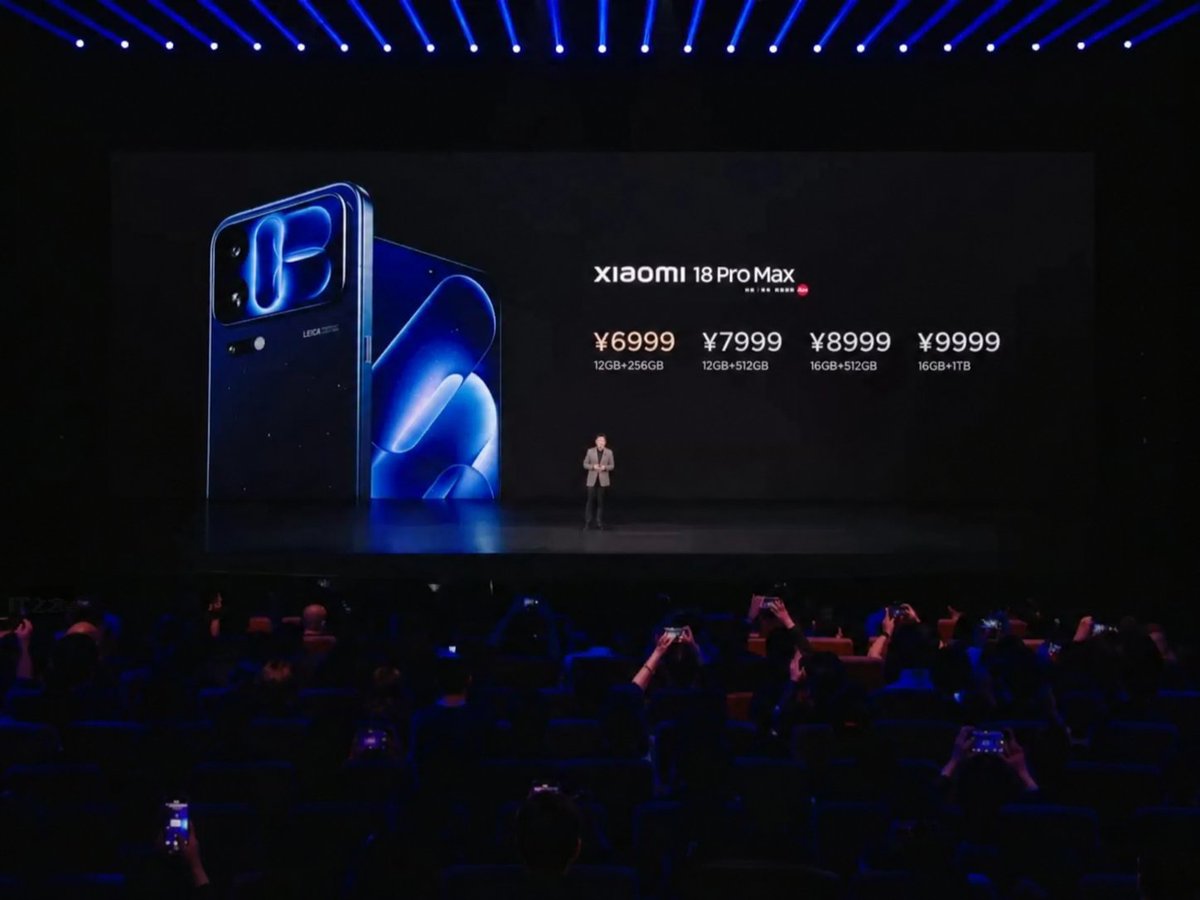
Xiaomi 18 Pro Max
| RAM and storage | Price |
|---|---|
| 12GB + 256GB | CNY 6,999 |
| 12GB + 512GB | CNY 7,999 |
| 16GB + 512GB | CNY 8,999 |
| 16GB + 1TB | CNY 9,999 |
All prices above are in Chinese yuan. Both regular models went on sale the evening of the launch. The transparent special edition is sold separately in its sole 16GB + 1TB configuration. The standard Xiaomi 18 was not shown at this event; Lu Weibing said it would launch separately later.
Pro or Pro Max? The choice is clearer this year
If you prefer using a phone with one hand but do not want to sacrifice telephoto photography, the 18 Pro is the more interesting pick. Its 6.4-inch screen, 7,000mAh battery and pair of 200MP cameras mean “compact flagship” no longer has to mean a smaller body with a substantially thinner spec sheet.
The Pro Max makes more sense if battery life, cooling and difficult lighting matter most. Its 8,500mAh battery, OFFSET PoP packaging, ring-shaped cooling pump and LOFIC main camera are features likely to show their value over longer use.
The transparent special edition is a simpler decision: it is about the design, rarity and matching red accessories. It stands out and costs considerably more than the regular models. There is no need to justify it as a value buy.
Meydo: your pocket AI companion
AI on phones is moving beyond voice questions into photography, privacy and cross-device tasks. But outside those complicated scenarios, sometimes you just want someone to talk to, help sort out your thoughts and lend a hand with the small things in everyday life. Explore Meydo at meydo.ai

Meydo, your pocket AI companion. Life is pretty cool with an AI companion.
Final thoughts
The biggest change in the Xiaomi 18 Pro series is not another record-setting number. The two sizes now have clearer roles. The Pro keeps the smaller body without losing a full telephoto system or a large battery; the Pro Max raises the ceiling with cooling, endurance and LOFIC. The rear display, meanwhile, is growing from a signature design feature into a useful second screen.
Of course, the 5GHz clock, AI shooting assistance, hardware privacy screen and 12.8x lossless zoom all need hands-on verification. Based on the specifications Xiaomi presented at launch, at least the smaller-phone buyer is no longer being asked to accept an obvious compromise. That says more than another claim of being an “all-around flagship.”
Sources
-
Lei Technology: Xiaomi 18 Pro series launches from CNY 5,999
-
IT Home: Xiaomi 18 Pro series debuts; transparent edition returns after six years
-
Xiaoxiang Morning Herald: Xiaomi 18 Pro series launches with transparent special edition
Performance, brightness, imaging and AI figures in this article come from the launch presentation and media coverage from the event. Actual experience may vary with software version, usage conditions and testing methods.


